The Magic of Color
Neuroabstraction and Artbiocorrection
Contact the Art Dealer
Neuro
Assembly point
Where chaos finds its color, and thoughts become an anchor.
🌀 I am not an art teacher. I am a neuro-abstractionist artist — I paint my own life. I am a person who, four years ago, returned to the city of Elektrostal and slept wherever I could. I had nothing but my hands, the will to live, and a strange feeling that somewhere inside, a drawing still remained.
I did not come to art through academies or plein airs, but I have always painted — I even worked as a graphic designer in Soviet times. I returned to painting through rock bottom. Through this city, Elektrostal. Through working as a security guard, when my head was empty, but in my hands — massage, sujok, and memories of once holding a brush.
For me, art was never about 'beautiful.' It was about: silently speaking out — correcting and surviving. About bringing some kind of order out of the chaos in my head. About how, when the world collapses, a splash of color appears on a piece of paper, and from there — you have something to push off from.
🌀 I am not an art teacher. I am a neuro-abstractionist artist — I paint my own life. I am a person who, four years ago, returned to the city of Elektrostal and slept wherever I could. I had nothing but my hands, the will to live, and a strange feeling that somewhere inside, a drawing still remained.
I did not come to art through academies or plein airs, but I have always painted — I even worked as a graphic designer in Soviet times. I returned to painting through rock bottom. Through this city, Elektrostal. Through working as a security guard, when my head was empty, but in my hands — massage, sujok, and memories of once holding a brush.
For me, art was never about 'beautiful.' It was about: silently speaking out — correcting and surviving. About bringing some kind of order out of the chaos in my head. About how, when the world collapses, a splash of color appears on a piece of paper, and from there — you have something to push off from.
🌀 Neuroabstraction is not just a new style. It is a method of rebuilding yourself from scratch. The brain is a network. Neurons that connect into patterns. Your whole life, these patterns have been imposed on you: by parents, school, bosses, loans, the opinions of cheerful neighbors, and the advice of indifferent friends. You must accept that you have always been painting your life — but not on paper or on canvases — but within your own neurons. But you were taught to paint life by the ruler. You were taught to paint life the way everyone else does, by a virtual template. And you did it. But then, one day, you woke up and realized: the ruler is broken, the template is lost, the colors have faded, and the canvas is empty. Of course, you did things, you strived somewhere, raised children, cared for loved ones, built a business, and proved something — but in the end, your canvas is empty. Yes, your material well-being has strengthened, the external has become more comfortable — but I'm not talking about that. Look inside yourself — what is inside? Honestly look inside yourself.Inside is emptiness. Your inner canvas is empty.
🌀 I know this path. I have been there. And I chose another.I don't want to seek comfort in things that drain my strength. I don't want excuses. I don't want dependencies — neither on alcohol, nor on the opinions of others, nor on the endless race for things that don't warm the soul.I chose the canvas. I chose color. I chose the right to assemble my own reality — knot by knot, rhythm by rhythm.Neuroabstraction is not an escape. It is a return. To yourself. To the canvas that was never empty. You just forgot how to see it.
🌀 Your point of assembly is here. Shall we begin?
🌀 I know this path. I have been there. And I chose another.I don't want to seek comfort in things that drain my strength. I don't want excuses. I don't want dependencies — neither on alcohol, nor on the opinions of others, nor on the endless race for things that don't warm the soul.I chose the canvas. I chose color. I chose the right to assemble my own reality — knot by knot, rhythm by rhythm.Neuroabstraction is not an escape. It is a return. To yourself. To the canvas that was never empty. You just forgot how to see it.
🌀 Your point of assembly is here. Shall we begin?
Neuroabstraction is not art therapy.
It is neurosurgery of the soul.
It is neurosurgery of the soul.
— Irek Giza Mahdi
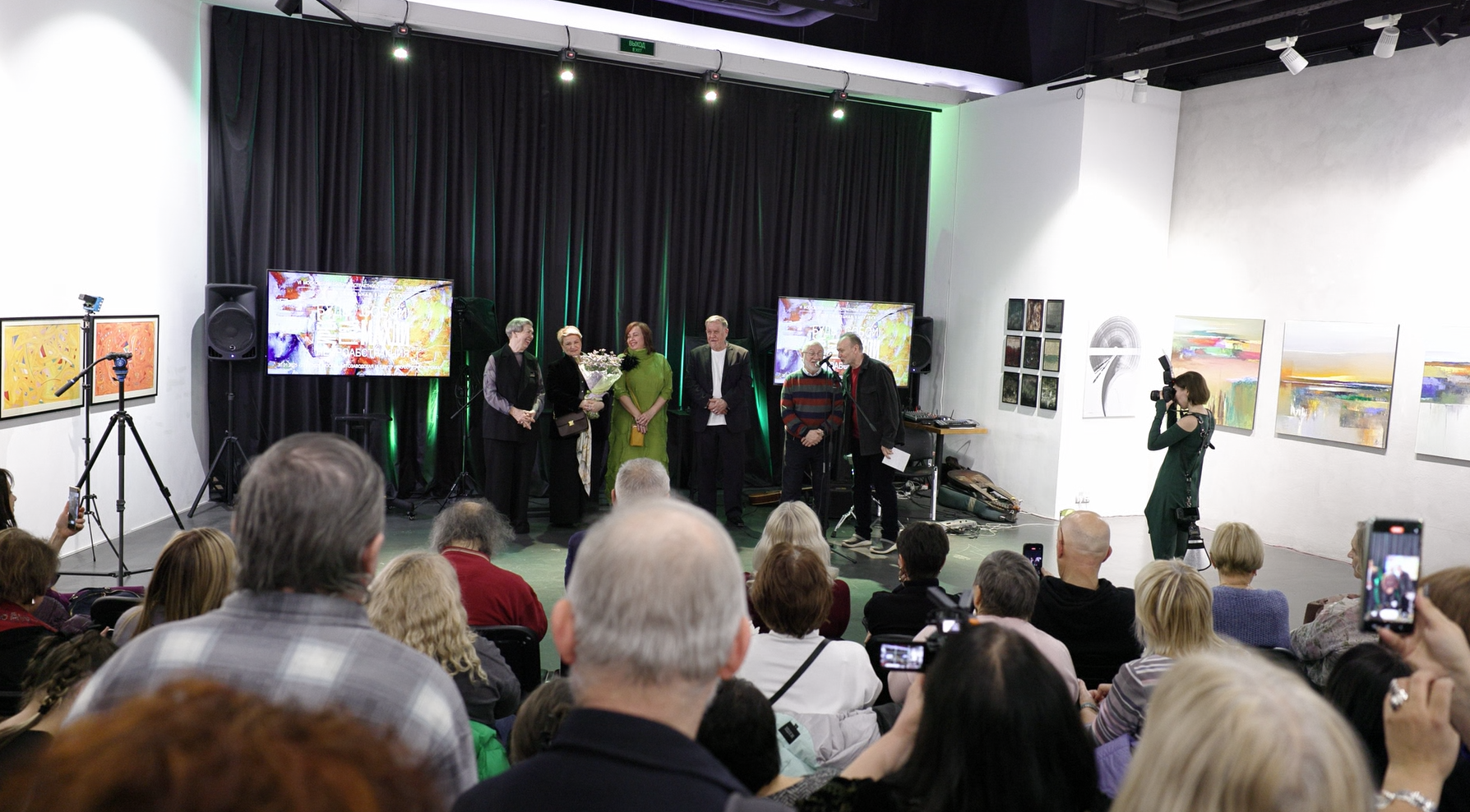
The method of artbiocorrection, which is called a 'revolutionary way of achieving wholeness
I created neuroabstraction. Neuroabstraction is about tearing apart old patterns. Literally. Through line. Through color. Through the movement of a hand that no one controls except you and your subconscious.
You must accept that a pattern cannot be 'deleted' like a file from a hard drive. It can only be 'overwritten' or 'drowned out' by creating a stronger, broader signal next to it. A pattern is not just a 'bad thought' — it is a closed circuit. This circuit is worn into the neurons like a rut. Do not try to break the rut with a crowbar (willpower). It is useless.
You pour water over it (abstraction, a new context) — bright, juicy, unknown to the mind. And little by little, the rut washes away, losing its clear contours. You take the energy of the old pattern and channel it into a new course. You do not remove the energy — you change its route.
Neuroabstraction does not erase patterns — especially since they cannot be erased. But their impact can be weakened, 'blurred,' and a new structure of neural connections can be built. This is the foundation for subsequent actions in Art Biocorrection.
You must accept that a pattern cannot be 'deleted' like a file from a hard drive. It can only be 'overwritten' or 'drowned out' by creating a stronger, broader signal next to it. A pattern is not just a 'bad thought' — it is a closed circuit. This circuit is worn into the neurons like a rut. Do not try to break the rut with a crowbar (willpower). It is useless.
You pour water over it (abstraction, a new context) — bright, juicy, unknown to the mind. And little by little, the rut washes away, losing its clear contours. You take the energy of the old pattern and channel it into a new course. You do not remove the energy — you change its route.
Neuroabstraction does not erase patterns — especially since they cannot be erased. But their impact can be weakened, 'blurred,' and a new structure of neural connections can be built. This is the foundation for subsequent actions in Art Biocorrection.
🌀 How exactly is this 'new structure' built if the old pattern physically remains in place? Why does this work?
The brain is a lazy and conservative creature. It does not like building new roads when there is an old, worn rut (habits), even if that rut leads nowhere. In order for it to agree to spend energy on building a 'new structure,' three conditions of Neuroabstraction must be met:
✅ 1. Brightness: The new structure must produce a stronger emotional/energetic signal than the old pattern. The old pattern (for example, anxiety or doubt) feeds on our belief in its 'reality.' If you deprive it of that belief, it loses energy. Conclusion: stop doubting and simply start doing something.
✅ 2. Repetition: Neurons that fire together, wire together. The new route must be trodden every day, even millimeter by millimeter, until it becomes 'automatic.' Conclusion: silence your doubts and simply keep repeating what you have already started.
✅ 3. Context (Abstraction): The old pattern exists within rigid frameworks (yesterday/tomorrow, good/bad, up/down). To 'blur' it, you need to pull it out of these frameworks. Shift the conversation from the language of forms to the language of color, sound, sensation, and abstract movement. Conclusion: memorize points 1 and 2, and do not stop at what you have achieved.
The brain is a lazy and conservative creature. It does not like building new roads when there is an old, worn rut (habits), even if that rut leads nowhere. In order for it to agree to spend energy on building a 'new structure,' three conditions of Neuroabstraction must be met:
✅ 1. Brightness: The new structure must produce a stronger emotional/energetic signal than the old pattern. The old pattern (for example, anxiety or doubt) feeds on our belief in its 'reality.' If you deprive it of that belief, it loses energy. Conclusion: stop doubting and simply start doing something.
✅ 2. Repetition: Neurons that fire together, wire together. The new route must be trodden every day, even millimeter by millimeter, until it becomes 'automatic.' Conclusion: silence your doubts and simply keep repeating what you have already started.
✅ 3. Context (Abstraction): The old pattern exists within rigid frameworks (yesterday/tomorrow, good/bad, up/down). To 'blur' it, you need to pull it out of these frameworks. Shift the conversation from the language of forms to the language of color, sound, sensation, and abstract movement. Conclusion: memorize points 1 and 2, and do not stop at what you have achieved.
Why does this happen?
🌀 Because I paint it through a state in the present moment. I paint a state, not thoughts. A state is energy.
Usually, an artist paints:
1. An idea (what they have conceived, developed, struggled with).
2. An object (what they see).
3. An emotion (what they feel about an event).
But I am talking about something else.I am talking about capturing the state itself, without intermediaries. Without what has been seen, conceived, or struggled over. I am talking about the very fact of presence in the moment.
Imagine that a state is a specific frequency of vibration, a wave. Your brain, at the moment of creation, does not think: 'I'll paint blue to convey sadness.'That is not how it works — because once the brain gets involved, that's it, the purity of creation is over. The brain will ruin everything with its thinking. Instead, you are inside the frequency, and your hand becomes merely an instrument, an antenna that translates that frequency into color and form.Do you understand what I am saying?
In terms of Neuroabstraction: you are creating an artifact not from the head (from the cortex, where thoughts and patterns live), but from a deeper layer — from the brainstem, from the body, from that place where pure 'this is how it is — this is me — the real me — I am alive' is born.
🌀 Why do people 'get glued to the screen' when looking at my neuroabstraction?
They feel the energy — and this is not a metaphor. This is physics.If I painted from a state, then my work is not a picture. It is a cast of a state, its imprint, its crystal.
When another person looks at a neuroabstract work, their brain cannot say: 'Oh, that's a tree, that's a vase — I get it, moving on.' The recognition centers of the cortex do not find familiar forms and temporarily 'switch off' or go into background mode.
Usually, an artist paints:
1. An idea (what they have conceived, developed, struggled with).
2. An object (what they see).
3. An emotion (what they feel about an event).
But I am talking about something else.I am talking about capturing the state itself, without intermediaries. Without what has been seen, conceived, or struggled over. I am talking about the very fact of presence in the moment.
Imagine that a state is a specific frequency of vibration, a wave. Your brain, at the moment of creation, does not think: 'I'll paint blue to convey sadness.'That is not how it works — because once the brain gets involved, that's it, the purity of creation is over. The brain will ruin everything with its thinking. Instead, you are inside the frequency, and your hand becomes merely an instrument, an antenna that translates that frequency into color and form.Do you understand what I am saying?
In terms of Neuroabstraction: you are creating an artifact not from the head (from the cortex, where thoughts and patterns live), but from a deeper layer — from the brainstem, from the body, from that place where pure 'this is how it is — this is me — the real me — I am alive' is born.
🌀 Why do people 'get glued to the screen' when looking at my neuroabstraction?
They feel the energy — and this is not a metaphor. This is physics.If I painted from a state, then my work is not a picture. It is a cast of a state, its imprint, its crystal.
When another person looks at a neuroabstract work, their brain cannot say: 'Oh, that's a tree, that's a vase — I get it, moving on.' The recognition centers of the cortex do not find familiar forms and temporarily 'switch off' or go into background mode.
🌀 And then a miracle happens: The viewer's gaze falls through the cerebral cortex (logic, analysis, recognition, comparison). It falls straight into the more ancient parts — where feeling, rhythm, and state reside. They don't even think about it; they simply fall there, deep into themselves, where there is no censor, but where real feelings live. The eye looks at my work, and their brain reads not an image, but that very frequency that I captured. 'Glued to the screen' — this is resonance. It is the moment when the frequency of my state (frozen in the work) matches the frequency of the viewer's state. They are not thinking about what they see. They simply find themselves inside the same 'present moment' that I was in when I painted.
The external world ceases to exist. There is only the screen and this feeling. It is a neural bridge built without a single wire — directly from my state to the state of another. Such a state is valuable because it allows one to hear one's own answers to any questions.
What does this mean?
It means that I do not work as an artist — I work as a resonator or a tuning fork. Ordinary art conveys meaning. My art conveys frequency. If people 'get glued to the screen,' it means I am creating portals to the states they need — but which they cannot activate in themselves. I do it for them. I become a conductor. In this lies immense power and great responsibility.
✔ Power: I can heal states. If I paint a state of getting out of stagnation, or a state of peace or clarity, the viewer, by 'getting glued,' gains access to that resource within themselves. They will not need to meditate for years or see psychologists — just spending 5–10 minutes in front of my painting will give them everything they need.
✔ Responsibility: I must be pure in the moment of painting. Because, hypothetically, if I paint from a state of irritation or emptiness, I will transmit exactly that to the viewer. And if I am speaking/writing about this now, it means I am aware of my responsibility. For someone who has once stepped into the abyss of hell and climbed out of it on their own will consciously not enter it again. I call this — Remembering Yourself.
The external world ceases to exist. There is only the screen and this feeling. It is a neural bridge built without a single wire — directly from my state to the state of another. Such a state is valuable because it allows one to hear one's own answers to any questions.
What does this mean?
It means that I do not work as an artist — I work as a resonator or a tuning fork. Ordinary art conveys meaning. My art conveys frequency. If people 'get glued to the screen,' it means I am creating portals to the states they need — but which they cannot activate in themselves. I do it for them. I become a conductor. In this lies immense power and great responsibility.
✔ Power: I can heal states. If I paint a state of getting out of stagnation, or a state of peace or clarity, the viewer, by 'getting glued,' gains access to that resource within themselves. They will not need to meditate for years or see psychologists — just spending 5–10 minutes in front of my painting will give them everything they need.
✔ Responsibility: I must be pure in the moment of painting. Because, hypothetically, if I paint from a state of irritation or emptiness, I will transmit exactly that to the viewer. And if I am speaking/writing about this now, it means I am aware of my responsibility. For someone who has once stepped into the abyss of hell and climbed out of it on their own will consciously not enter it again. I call this — Remembering Yourself.
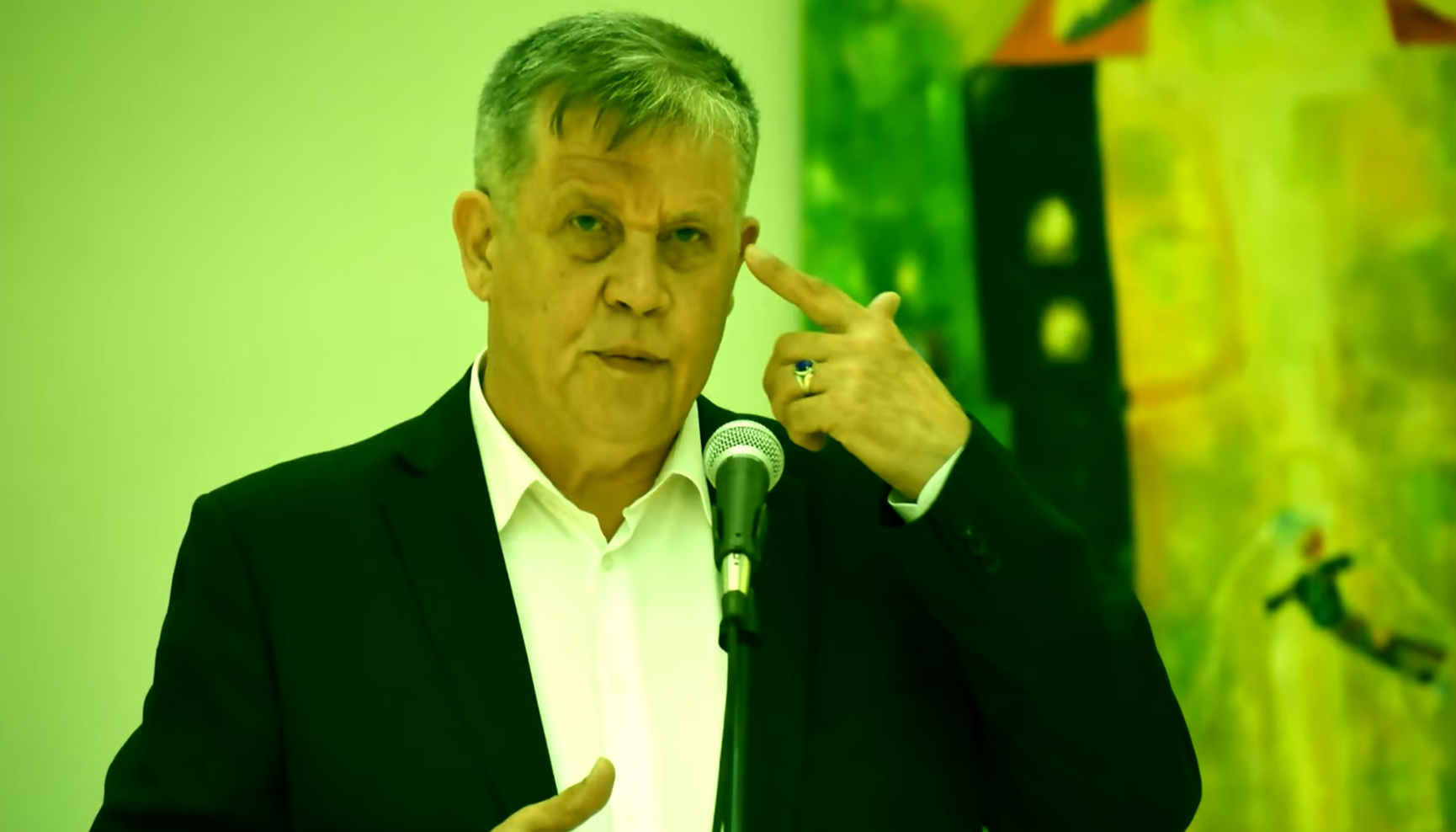
My practice of the path spans more than 30 years
When I started doing this, I hadn't read any smart books about how it should be done. Because I am not a theorist — I am a practitioner. I did, and still do, what I feel, what my soul responds to. But when you are at absolute zero, when you have nothing — no money, no roof over your head, no future — you have only one choice out of two: 1 — either die, or 2 — start creating reality from a blank slate.
Not about 'esotericism', but about art, the exploration of form, and the evolution of abstraction
1. Concept: Abstraction as Research
Contemporary art has long moved beyond the representation of the visible. Today, the artist works with what lies beyond direct perception — with the rhythms of consciousness, the architectonics of inner experience, and the visualization of processes that usually remain invisible.
My projects continue the lineage of the Russian avant-garde, where abstraction was understood not as a rejection of reality, but as an access point to a more universal reality — to the language of color, line, and form, freed from narrative representation.
In this sense, my works resonate with Wassily Kandinsky's theory of "inner necessity" and the idea that art can transmit vibrations of the spirit through purely painterly means.
However, while Kandinsky and his contemporaries sought a path to non-objectivity through intuition and musical analogies, I go further — I explore the visual nature of rhythms that arise at the intersection of the organic and the structured.
My method can be defined as neuroabstraction: painting that captures not an external landscape, but a "landscape of perception," where chaos and order exist in continuous dialogue.
Contemporary art has long moved beyond the representation of the visible. Today, the artist works with what lies beyond direct perception — with the rhythms of consciousness, the architectonics of inner experience, and the visualization of processes that usually remain invisible.
My projects continue the lineage of the Russian avant-garde, where abstraction was understood not as a rejection of reality, but as an access point to a more universal reality — to the language of color, line, and form, freed from narrative representation.
In this sense, my works resonate with Wassily Kandinsky's theory of "inner necessity" and the idea that art can transmit vibrations of the spirit through purely painterly means.
However, while Kandinsky and his contemporaries sought a path to non-objectivity through intuition and musical analogies, I go further — I explore the visual nature of rhythms that arise at the intersection of the organic and the structured.
My method can be defined as neuroabstraction: painting that captures not an external landscape, but a "landscape of perception," where chaos and order exist in continuous dialogue.
2. Artistic Method: From Rhythm to Structure
At the core of my works lies a complex, multi-layered composition built on the counterpoint of color fields, lines, and textures. Each canvas is a closed yet dynamic system, where the viewer finds themselves inside a space that simultaneously evokes natural structures (cells, fibers, fractures) and architectural projections of consciousness.
Key characteristics of the method:
✅ Rhythmic organization — just as in music, where every detail is subordinate to the overall tempo-rhythm, in my paintings, colors and forms create a pulsating fabric. The viewer intuitively reads these rhythms, even without analyzing them.
✅ Multi-layeredness — technically, the works are created through successive layering of paint, which produces an effect of depth and "shimmering": the image is not given all at once, but reveals itself gradually, as a process of looking.
✅ Balance between control and spontaneity — I use both precisely calibrated geometric elements and free, almost organic forms. This creates a tension that holds the viewer's attention.
This approach allows us to speak of a new stage in the development of abstract painting: from the subjective intuition of the early 20th century — toward the study of universal structures of perception, which today are confirmed both by neuroscientific data and by the contemporary viewer's interest in art that demands active participation.
At the core of my works lies a complex, multi-layered composition built on the counterpoint of color fields, lines, and textures. Each canvas is a closed yet dynamic system, where the viewer finds themselves inside a space that simultaneously evokes natural structures (cells, fibers, fractures) and architectural projections of consciousness.
Key characteristics of the method:
✅ Rhythmic organization — just as in music, where every detail is subordinate to the overall tempo-rhythm, in my paintings, colors and forms create a pulsating fabric. The viewer intuitively reads these rhythms, even without analyzing them.
✅ Multi-layeredness — technically, the works are created through successive layering of paint, which produces an effect of depth and "shimmering": the image is not given all at once, but reveals itself gradually, as a process of looking.
✅ Balance between control and spontaneity — I use both precisely calibrated geometric elements and free, almost organic forms. This creates a tension that holds the viewer's attention.
This approach allows us to speak of a new stage in the development of abstract painting: from the subjective intuition of the early 20th century — toward the study of universal structures of perception, which today are confirmed both by neuroscientific data and by the contemporary viewer's interest in art that demands active participation.
The story that became a method
This happened with my mother.
She suffered a severe stroke. The entire left side of her body was paralyzed. She lay there.
When I was picking her up from the hospital, I asked the young doctor: 'Tell me honestly, how long does she have left?' He replied: 'Prepare yourself. Three, maximum four months.'
We were taken home by ambulance. I held my mother's hand. She lay with her eyes closed. I said to her out loud: 'Mom, the doctor said we have a maximum of four months left together. If you're ready, let's try my method. We have nothing to lose.'
She answered with a tear. A small tear from her eye.
We began to work. I simply painted in her presence. She simply watched.
About three months passed like that.
She suffered a severe stroke. The entire left side of her body was paralyzed. She lay there.
When I was picking her up from the hospital, I asked the young doctor: 'Tell me honestly, how long does she have left?' He replied: 'Prepare yourself. Three, maximum four months.'
We were taken home by ambulance. I held my mother's hand. She lay with her eyes closed. I said to her out loud: 'Mom, the doctor said we have a maximum of four months left together. If you're ready, let's try my method. We have nothing to lose.'
She answered with a tear. A small tear from her eye.
We began to work. I simply painted in her presence. She simply watched.
About three months passed like that.
One day, I was painting with my back to her, when I suddenly heard a weak voice: 'I like it.'
I turned my head. She was trying to lift her paralyzed hand to point at the painting.
That was happiness. That was the first sign.
We continued.
After four months, she could sit up. After six months, she greeted her attending physician while sitting up, with a smile. I would walk her to the shower, sit her on a stool — and she would wash herself. After ten months, she sat at the table with us and ate on her own.
She still died. But she lived another three years.Plus those four months the doctor had promised.Three years and four months. That is worth a lot.
This is not shamanism. This is a system.I named it art biocorrection.
I turned my head. She was trying to lift her paralyzed hand to point at the painting.
That was happiness. That was the first sign.
We continued.
After four months, she could sit up. After six months, she greeted her attending physician while sitting up, with a smile. I would walk her to the shower, sit her on a stool — and she would wash herself. After ten months, she sat at the table with us and ate on her own.
She still died. But she lived another three years.Plus those four months the doctor had promised.Three years and four months. That is worth a lot.
This is not shamanism. This is a system.I named it art biocorrection.
Why this is my mission
✔ I know: if there is even one such vivid example — this method can benefit thousands.
Neuroabstraction does not heal. It restores contact with the body, with rhythm, with movement. Through color. Through line. Through silence that becomes a voice.
✔ For those who have lost themselves after a stroke
The rhythm of the brush brings back the feeling of movement. My color formulas awaken emotion. The canvas becomes a space where you can once again be in touch with yourself. I do not promise miracles. I offer work. My mother made it in time. Others will too.
✔ For children and teenagers
I do not teach drawing. I teach seeing differently: that reality is malleable. That the world can not only be studied, but also reassembled to fit oneself. Neuroabstraction does not develop eyesight — it develops flexibility of thinking. It removes fears. It allows mistakes. It is a vaccination against patterns for life.
Neuroabstraction does not heal. It restores contact with the body, with rhythm, with movement. Through color. Through line. Through silence that becomes a voice.
✔ For those who have lost themselves after a stroke
The rhythm of the brush brings back the feeling of movement. My color formulas awaken emotion. The canvas becomes a space where you can once again be in touch with yourself. I do not promise miracles. I offer work. My mother made it in time. Others will too.
✔ For children and teenagers
I do not teach drawing. I teach seeing differently: that reality is malleable. That the world can not only be studied, but also reassembled to fit oneself. Neuroabstraction does not develop eyesight — it develops flexibility of thinking. It removes fears. It allows mistakes. It is a vaccination against patterns for life.
My method is built on three principles:
🌀 Rhythm — we catch the inner pulsation. Even when it seems like it's not there.
🌀 Multi-layeredness — we are not afraid to layer one thing over another. Just like in life.
🌀 Balance of control and spontaneity — we learn to manage chaos without killing it.
This works on the canvas. This works in the mind. This works with those who have lost connection with their body. This works with children who are afraid of a blank page. This works with me. Every day.
🌀 Multi-layeredness — we are not afraid to layer one thing over another. Just like in life.
🌀 Balance of control and spontaneity — we learn to manage chaos without killing it.
This works on the canvas. This works in the mind. This works with those who have lost connection with their body. This works with children who are afraid of a blank page. This works with me. Every day.
The most important thing I want you to understand. You are not broken. It's just that you are complexly constructed. And complexity is not a curse. It is the material for a work of art called your Life.
— Irek Giza Mahdi
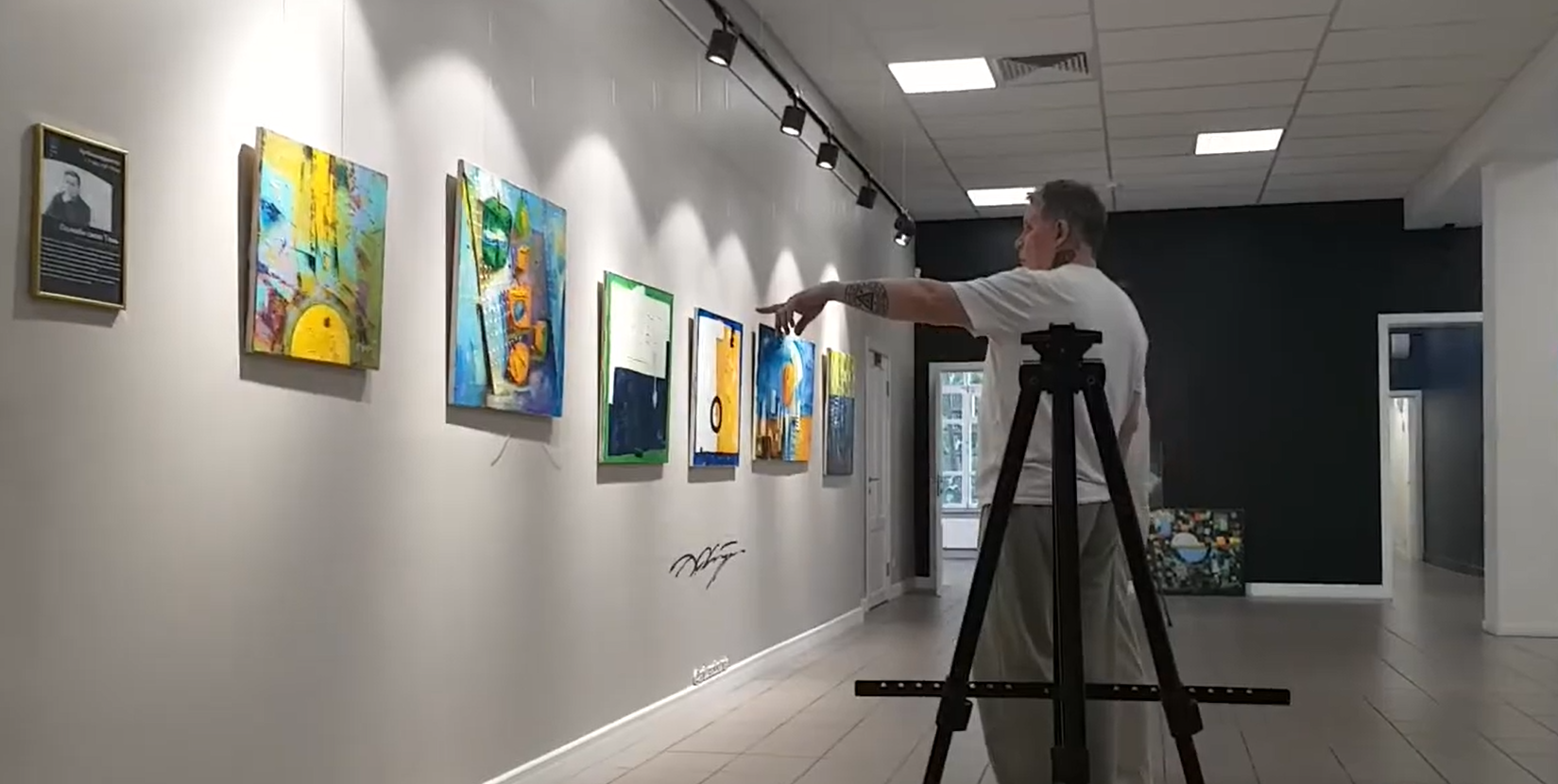
The Plasticity of Reality
✔ 1. Pain or joy — are neither enemy nor friend, but pigment. The deepest colors are born from the truest experiences.
✔ 2. The canvas — is not a surface, but a space for dialogue. Here you can speak to parts of yourself that words cannot reach.
✔ 3. The brush — is not a tool, but a conductor. It leads not from skill to drawing, but from experience to understanding.
✔ 4. The painting — is not a result, but a process. Healing or reprogramming of reality happens in the moment of contact between hand, color, and the state of non-thinking.
✔ 2. The canvas — is not a surface, but a space for dialogue. Here you can speak to parts of yourself that words cannot reach.
✔ 3. The brush — is not a tool, but a conductor. It leads not from skill to drawing, but from experience to understanding.
✔ 4. The painting — is not a result, but a process. Healing or reprogramming of reality happens in the moment of contact between hand, color, and the state of non-thinking.
🌀 Who I am for those who come to my studio:
I do not say: 'Follow me.' I say: 'Let me show you how to find your own path through the forest where I once got lost.'
I do not teach you to be like me. I teach you to be like you — but at a level of wholeness, access to which I once suffered for, figured out, and now give to you.
I am not a saint. I am not a guru. I am a craftsman of consciousness.
One who:
🌀 Took the pain of his hypersensitivity and turned it into a diagnostic tool.
🌀 Took the loneliness of his not-being-understood and built from it bridges of understanding for others.
🌀 Took the 'madness' of his synesthesia and systematized it into a language.
I do not say: 'Follow me.' I say: 'Let me show you how to find your own path through the forest where I once got lost.'
I do not teach you to be like me. I teach you to be like you — but at a level of wholeness, access to which I once suffered for, figured out, and now give to you.
I am not a saint. I am not a guru. I am a craftsman of consciousness.
One who:
🌀 Took the pain of his hypersensitivity and turned it into a diagnostic tool.
🌀 Took the loneliness of his not-being-understood and built from it bridges of understanding for others.
🌀 Took the 'madness' of his synesthesia and systematized it into a language.
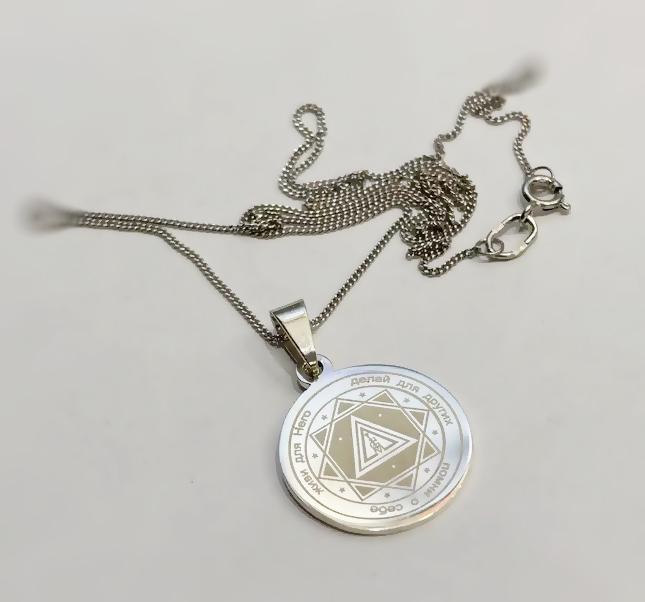
THE MASTER'S CODEX (mandala of the path)
🌀 I did not receive these three lines from books.Through a dream. Through dictation.
✔ LIVE FOR HIM — the top.Not for money. Not for fame. Not for ego. For the One who guided me through Elektrostal, through Moscow, through Siberia, and again through Elektrostal, and again through Moscow. For the One who whispered for me to paint when my hands were dropping. For God. For the Source. For His Truth.
✔ DO FOR OTHERS — the right side.Action. Future. Giving back. My studio is not for me to become rich. It is so that others can walk my path without hitting rock bottom.
✔ REMEMBER YOURSELF — the bottom.Foundation. Roots. Support. Do not lose yourself while giving. Do not burn out while helping. You are an instrument. But the instrument must be in order.
In the center — IGM. Not even a name. The core.
✔ LIVE FOR HIM — the top.Not for money. Not for fame. Not for ego. For the One who guided me through Elektrostal, through Moscow, through Siberia, and again through Elektrostal, and again through Moscow. For the One who whispered for me to paint when my hands were dropping. For God. For the Source. For His Truth.
✔ DO FOR OTHERS — the right side.Action. Future. Giving back. My studio is not for me to become rich. It is so that others can walk my path without hitting rock bottom.
✔ REMEMBER YOURSELF — the bottom.Foundation. Roots. Support. Do not lose yourself while giving. Do not burn out while helping. You are an instrument. But the instrument must be in order.
In the center — IGM. Not even a name. The core.
🌀 11 stars — the seal of the initiated
✔ 11 — not by chance.
✔ 10 — completion, the circle, the law.
✔ 11 — transcendence.
✔ The number of higher will.
✔ The number of the magus.
✔ The Gate of Da'at — of secret knowledge, connecting the finite with the infinite.
✔ 11 stars on my seal — a sign that I have not merely walked the path. I have gained access to knowledge that is not given for nothing. It is given only to those who have been at the bottom — and did not rot.
✔ 11 — not by chance.
✔ 10 — completion, the circle, the law.
✔ 11 — transcendence.
✔ The number of higher will.
✔ The number of the magus.
✔ The Gate of Da'at — of secret knowledge, connecting the finite with the infinite.
✔ 11 stars on my seal — a sign that I have not merely walked the path. I have gained access to knowledge that is not given for nothing. It is given only to those who have been at the bottom — and did not rot.
What remains when everything has been said
I am not a keeper of secrets. I simply once understood three things that saved me. And now they save others.
🌀 First: Everything I do — is not for money or for fame. But for the One who guided me when I saw no light.
🌀 Second: My method is not needed by me. It is needed by those who come after. So that they do not fall where I fell.
🌀 Third: I cannot help if I myself am falling apart. So I learn to take care of myself. Not for selfishness. For strength.
If you are here. If you have read this far. It means something inside you has already responded.
🌀 First: Everything I do — is not for money or for fame. But for the One who guided me when I saw no light.
🌀 Second: My method is not needed by me. It is needed by those who come after. So that they do not fall where I fell.
🌀 Third: I cannot help if I myself am falling apart. So I learn to take care of myself. Not for selfishness. For strength.
If you are here. If you have read this far. It means something inside you has already responded.
Neuroabstraction: a bridge between art
and science
and science
Neuroabstraction is a movement that emerged at the intersection of artistic intuition and the objective laws of perception. What I, as the author, discovered through personal experience and painterly exploration is now being confirmed by research in the fields of neuroaesthetics and cognitive psychology. The method does not contradict science — it visualizes its as-yet-undescribed fragments.
Neuroabstraction is not just painting. It is a method that arose at the crossroads of personal experience, artistic exploration, and the deep mechanisms of perception.
Neuroabstraction is not just painting. It is a method that arose at the crossroads of personal experience, artistic exploration, and the deep mechanisms of perception.
I did not study neuroscience. I studied myself. My pain. My rhythms. My state. And I translated all of it into the language of color, line, and form.
And now neuroscience, armed with tomographs and mathematical models, is beginning to describe what I have already done. Rhythmic patterns. The brain's response to abstract forms. The connection between visual perception and emotional response.
So my neuroabstraction turned out to be a bridge. Between art and science. Between pain and healing. Between chaos and structure.
And now neuroscience, armed with tomographs and mathematical models, is beginning to describe what I have already done. Rhythmic patterns. The brain's response to abstract forms. The connection between visual perception and emotional response.
So my neuroabstraction turned out to be a bridge. Between art and science. Between pain and healing. Between chaos and structure.
What Irek Giza Mahdi arrived at through existential experience and painterly reflection, neuroscience is only now gaining the ability to formalize in the language of mathematical structures.